From "Bully" to Boulevard
Roosevelt Boulevard as a public amenity
Semester project in Philadelphia, PA
Team members: Joanna Lin & Fatima Tajammal
From 01/2026 to 04/2026
How can scenario planning for transportation infrastructure incorporate embodied, lived experience as a form of evidence? This project, developed for the City of Philadelphia, evaluates the future of Roosevelt Boulevard in response to two proposed roadway configurations: a Partially-Capped Expressway and a Neighborhood Boulevard.
We brought together spatial analysis, on-the-ground interviews, archival research, ethnographic research, and storytelling to move beyond conventional transportation metrics. Through this, we examined existing inequities in traffic violence and access to essential services, while also situating the Boulevard within its historical development. Interviews informed the development of three personas, including Belinda, an elderly woman walking to Walmart to get groceries. Together, these methods bring a humanized and community-centered perspective to roadway design.
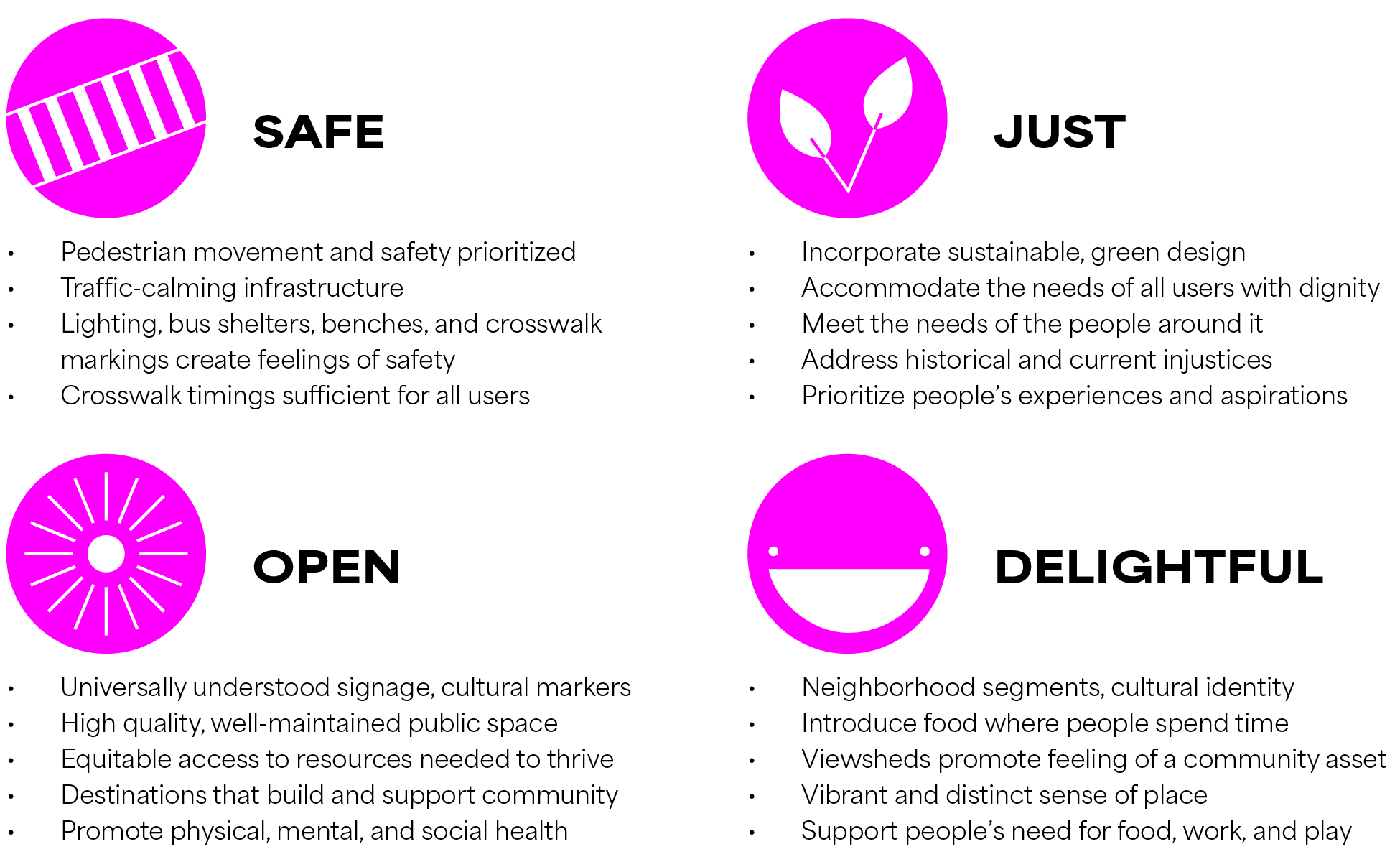
We developed a set of pillars that pair spatial analysis with lived experience, allowing us to evaluate not just whether the Boulevard functions, but whom it serves and how. We felt that this perspective is critically necessary in any type of roadway redesign.
Existing conditions mapping
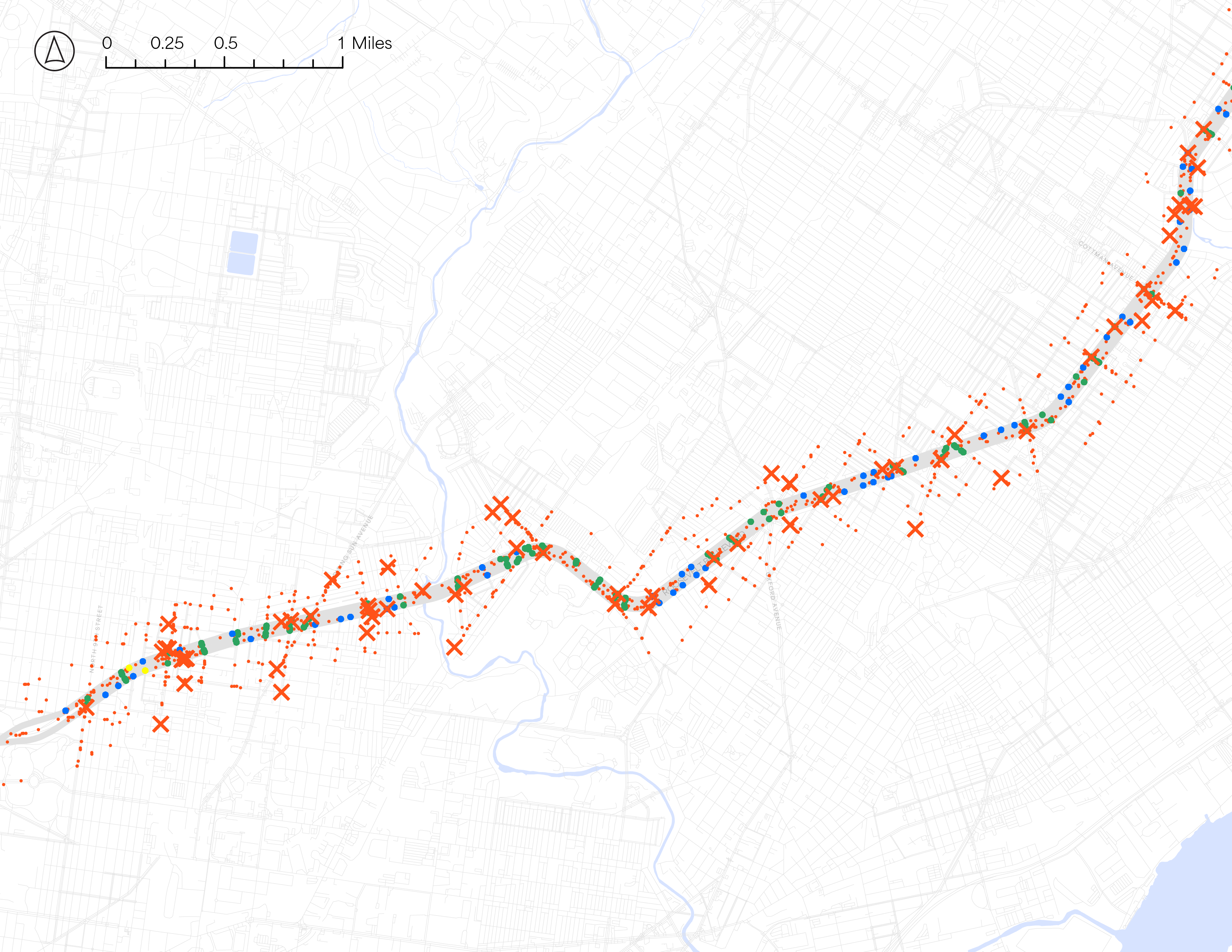
Fatal and non-fatal crashes
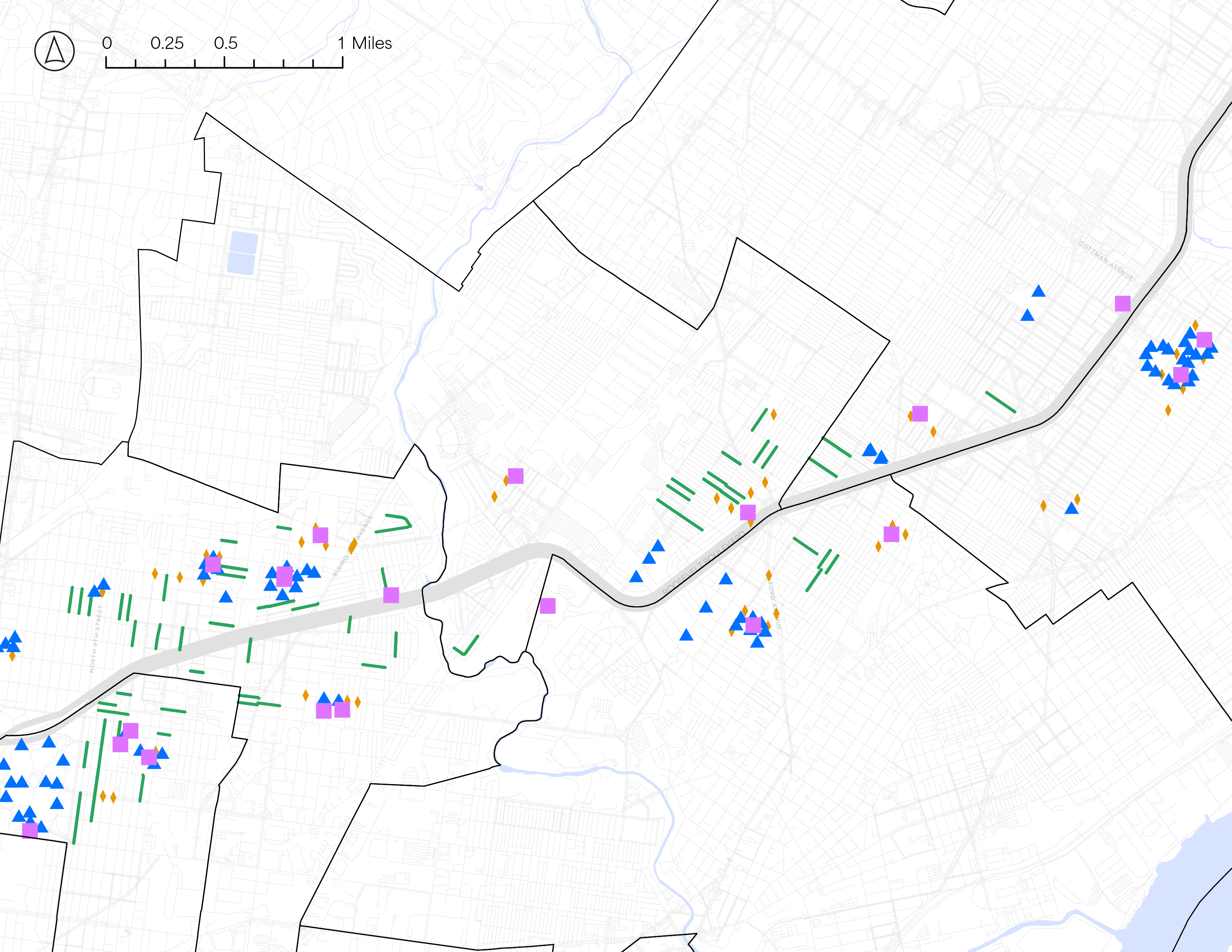
Schools, traffic calming devices, crossing guards, car-free streets
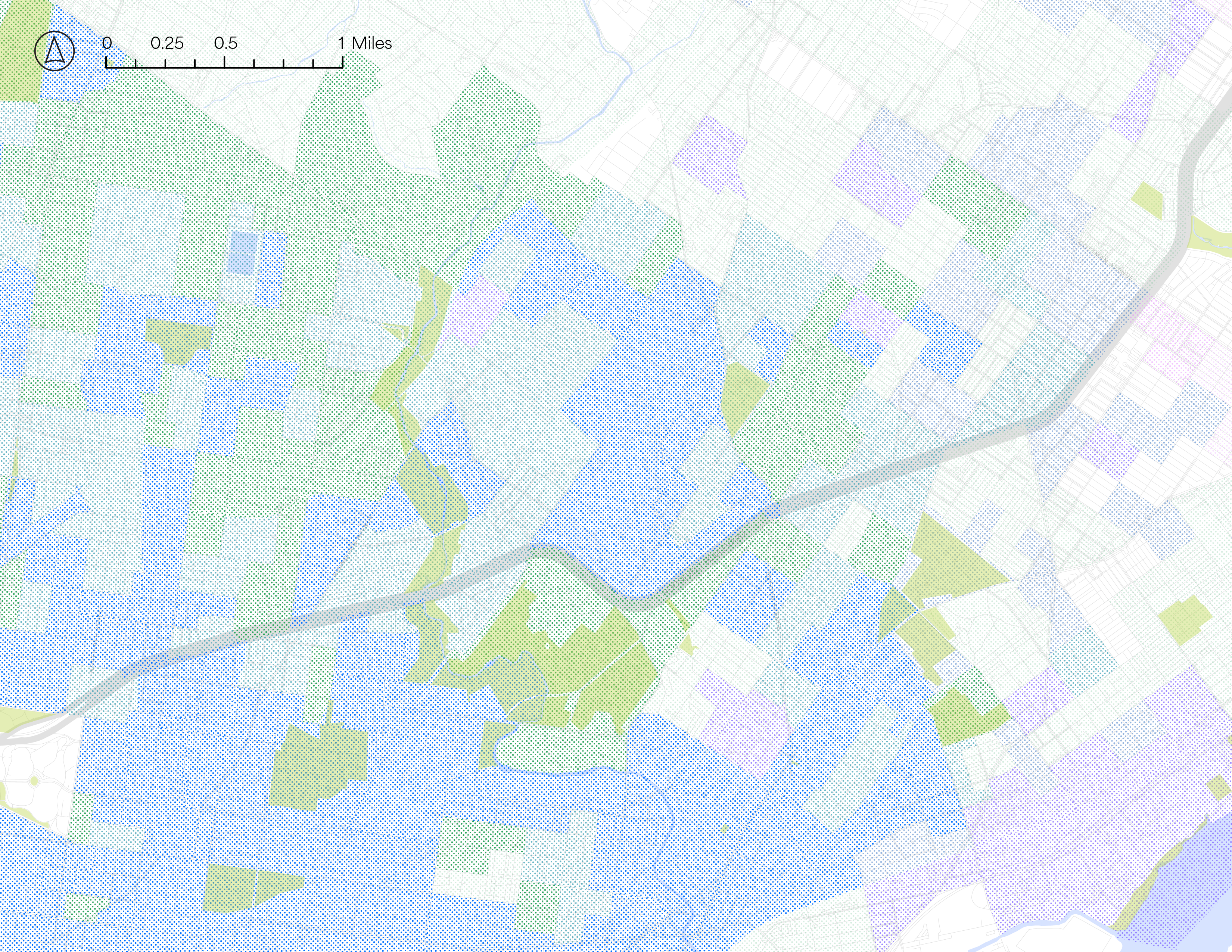
Environmental justice communities
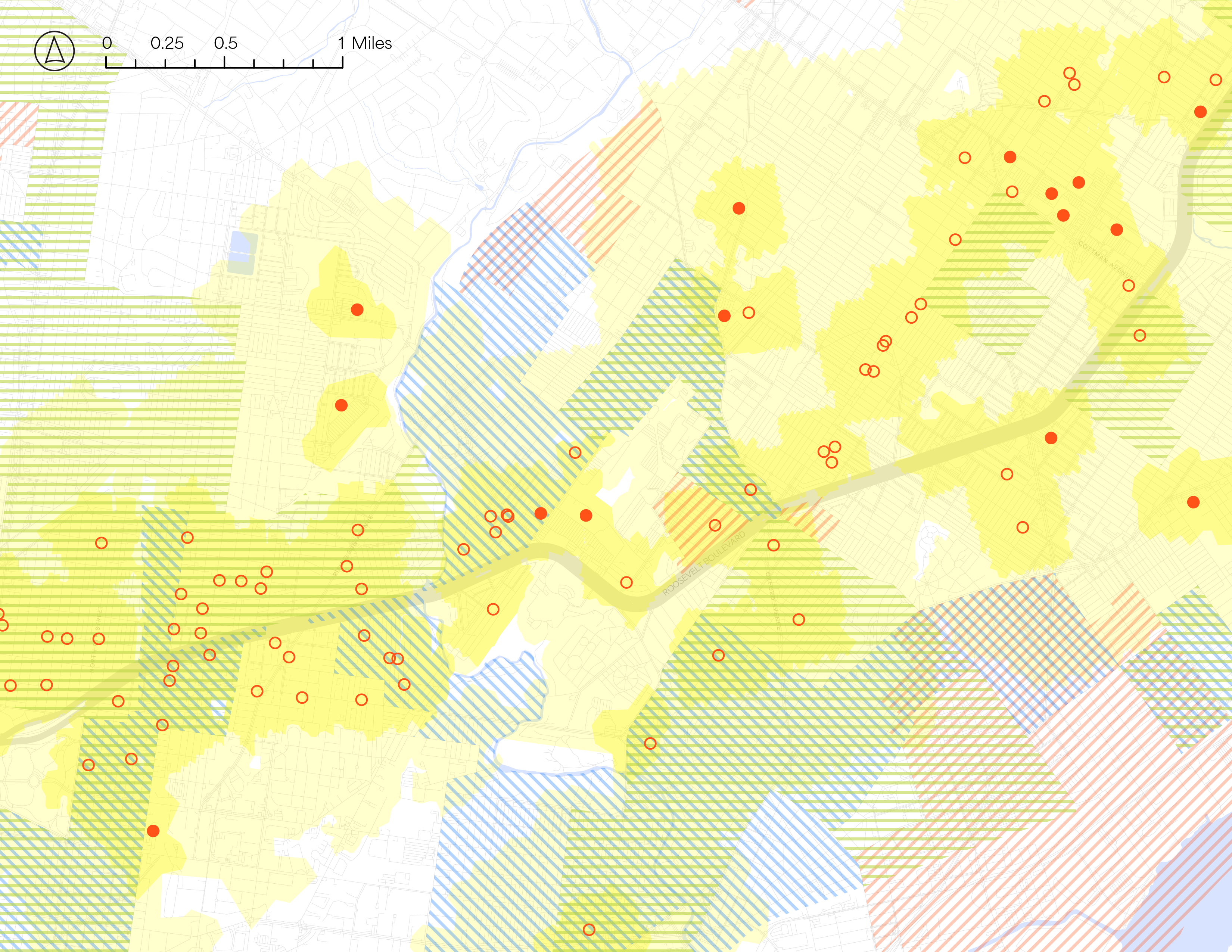
Grocery stores, walksheds, SNAP, food insecurity
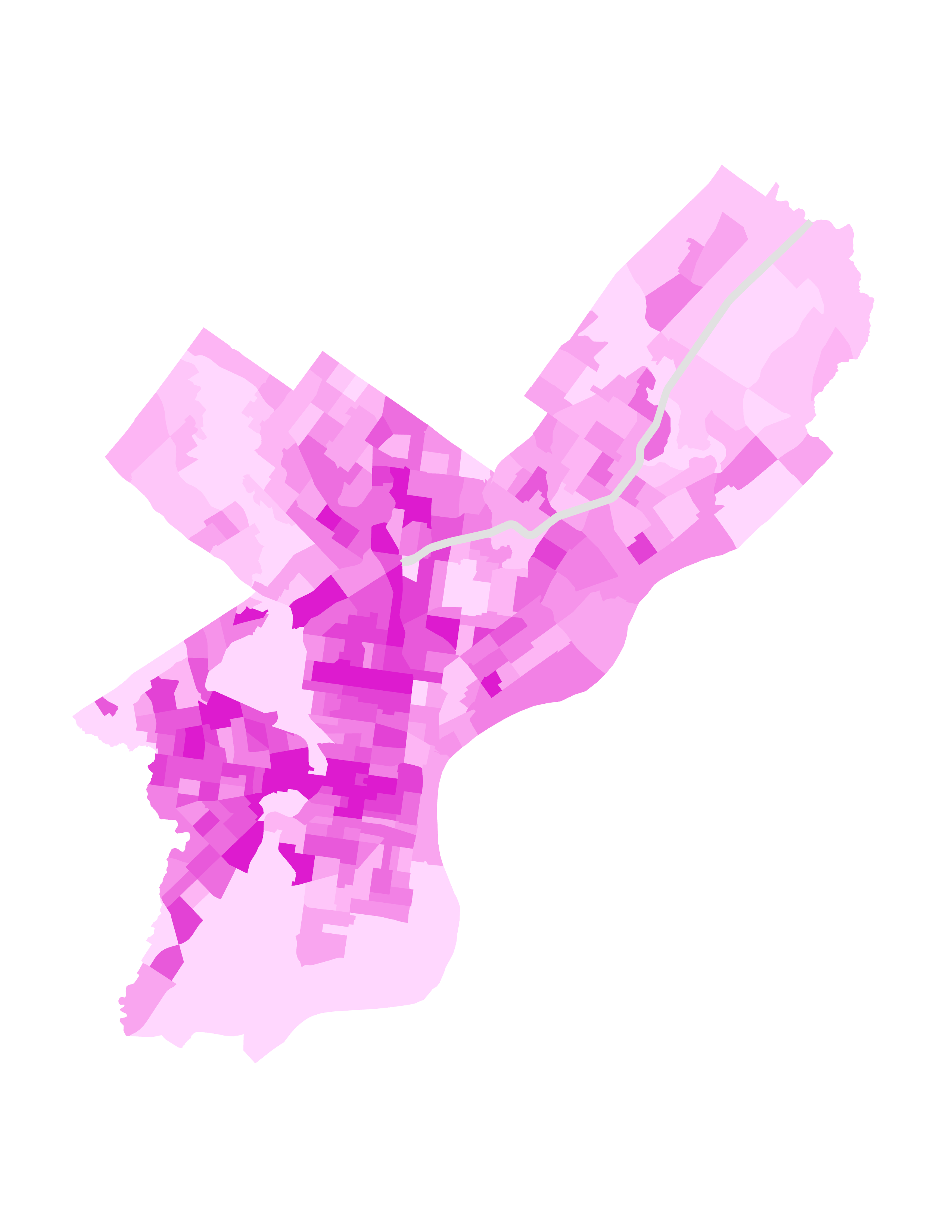
Vehicle availability
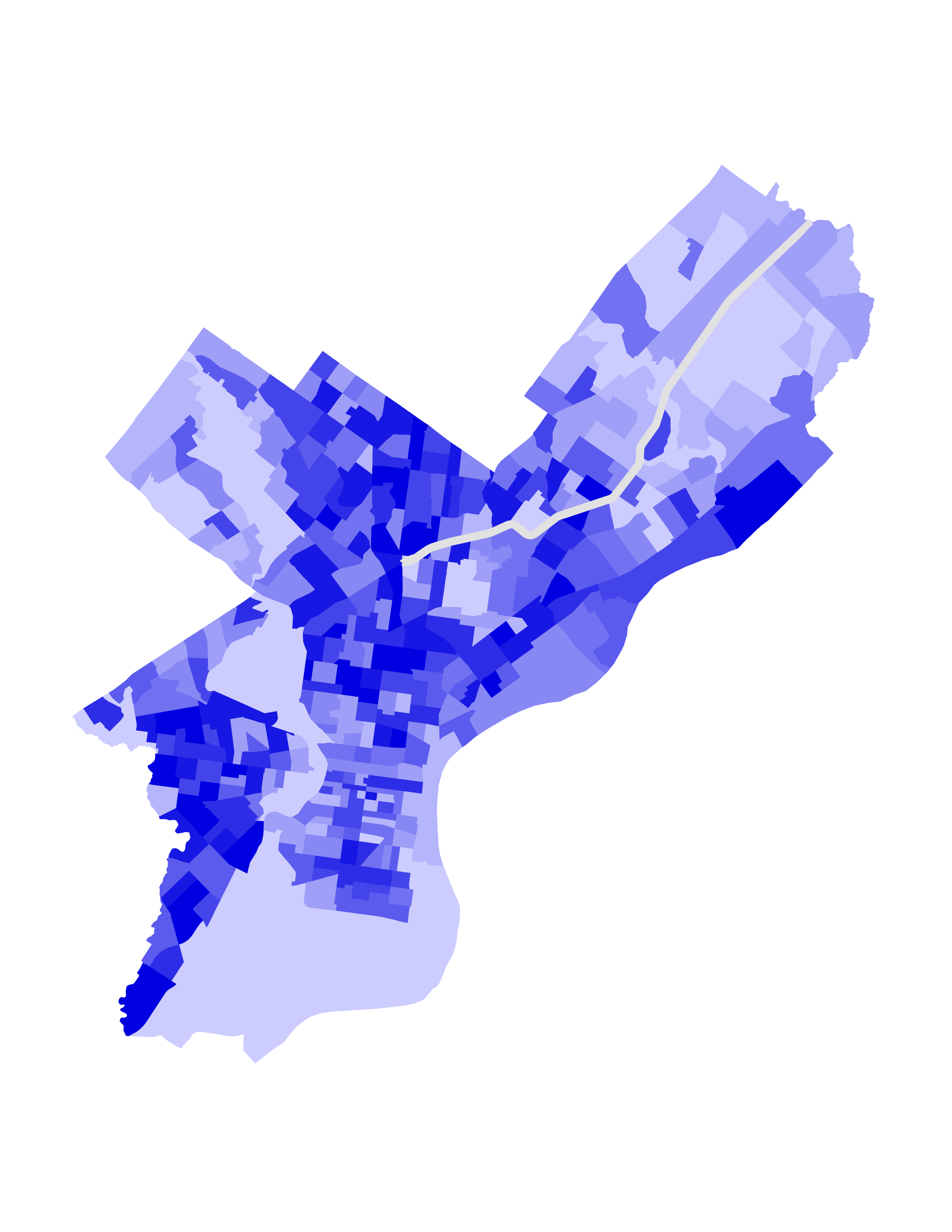
Transit to work
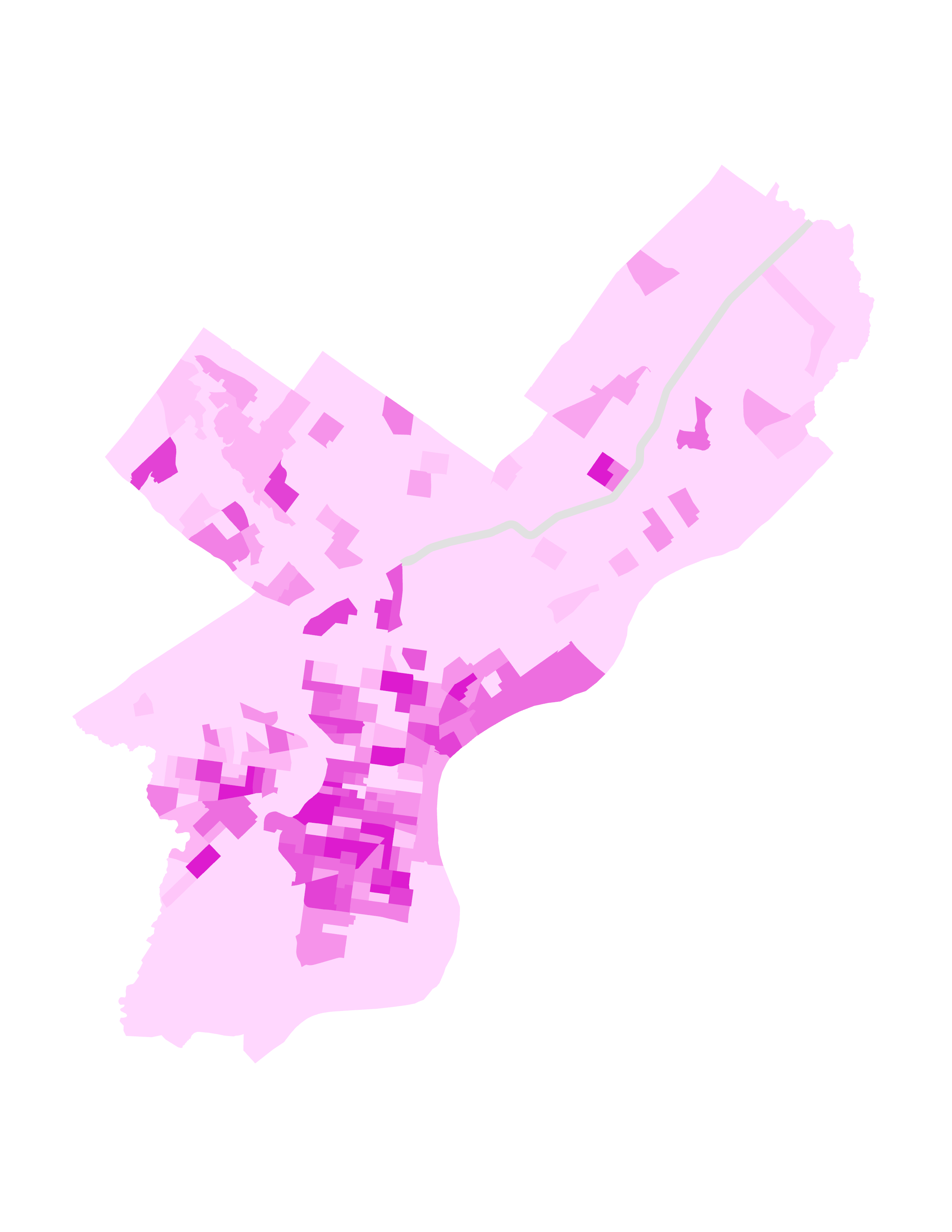
Bike to work
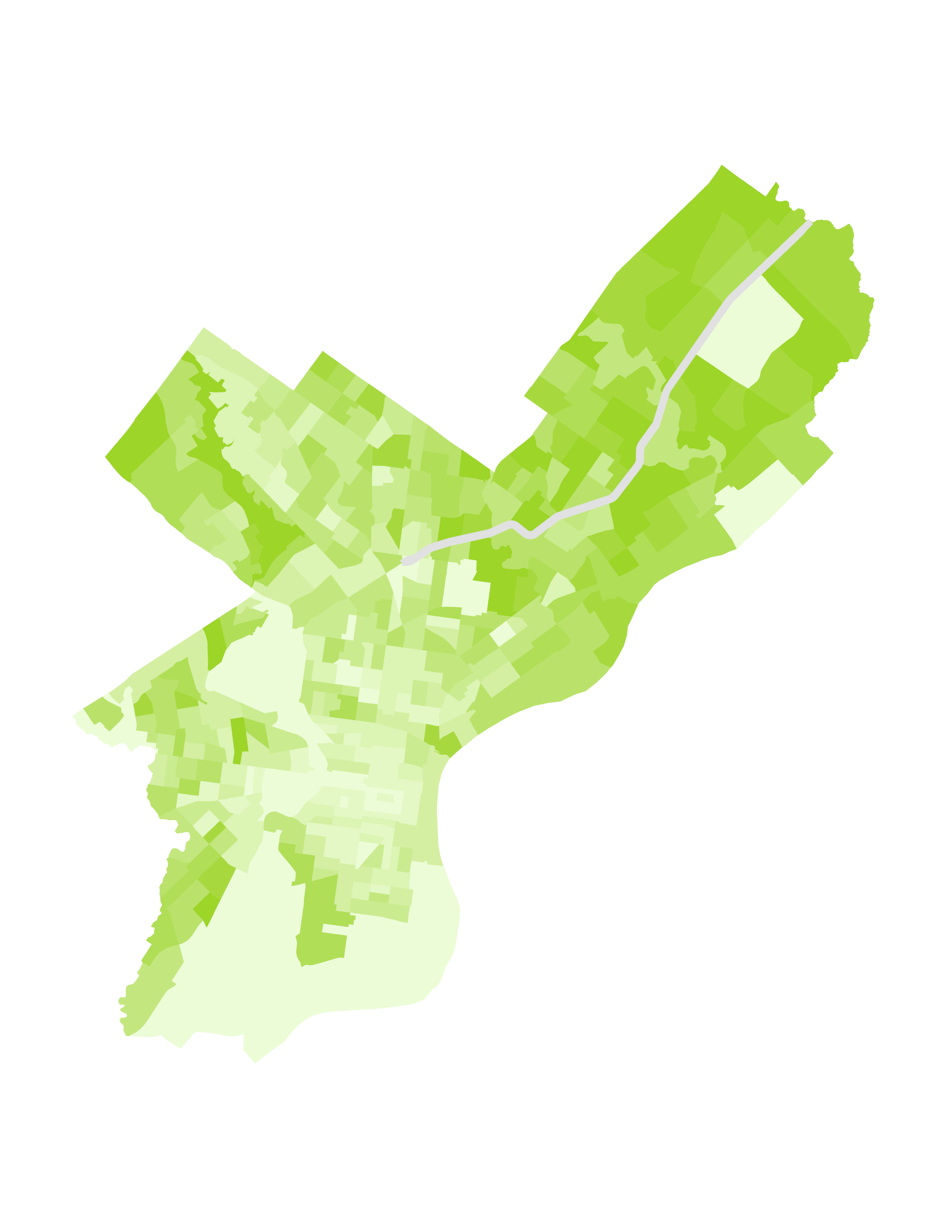
Car to work
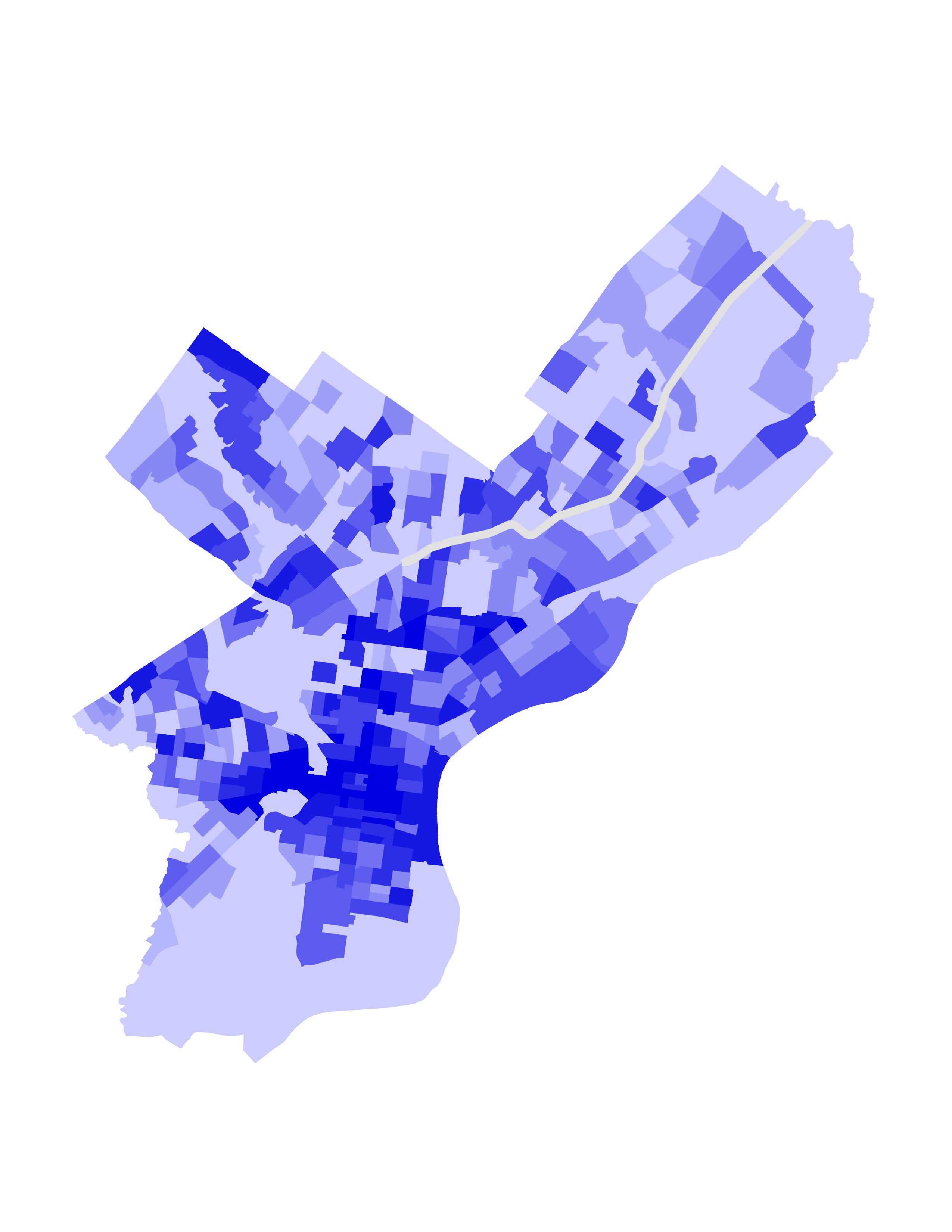
Walk to work
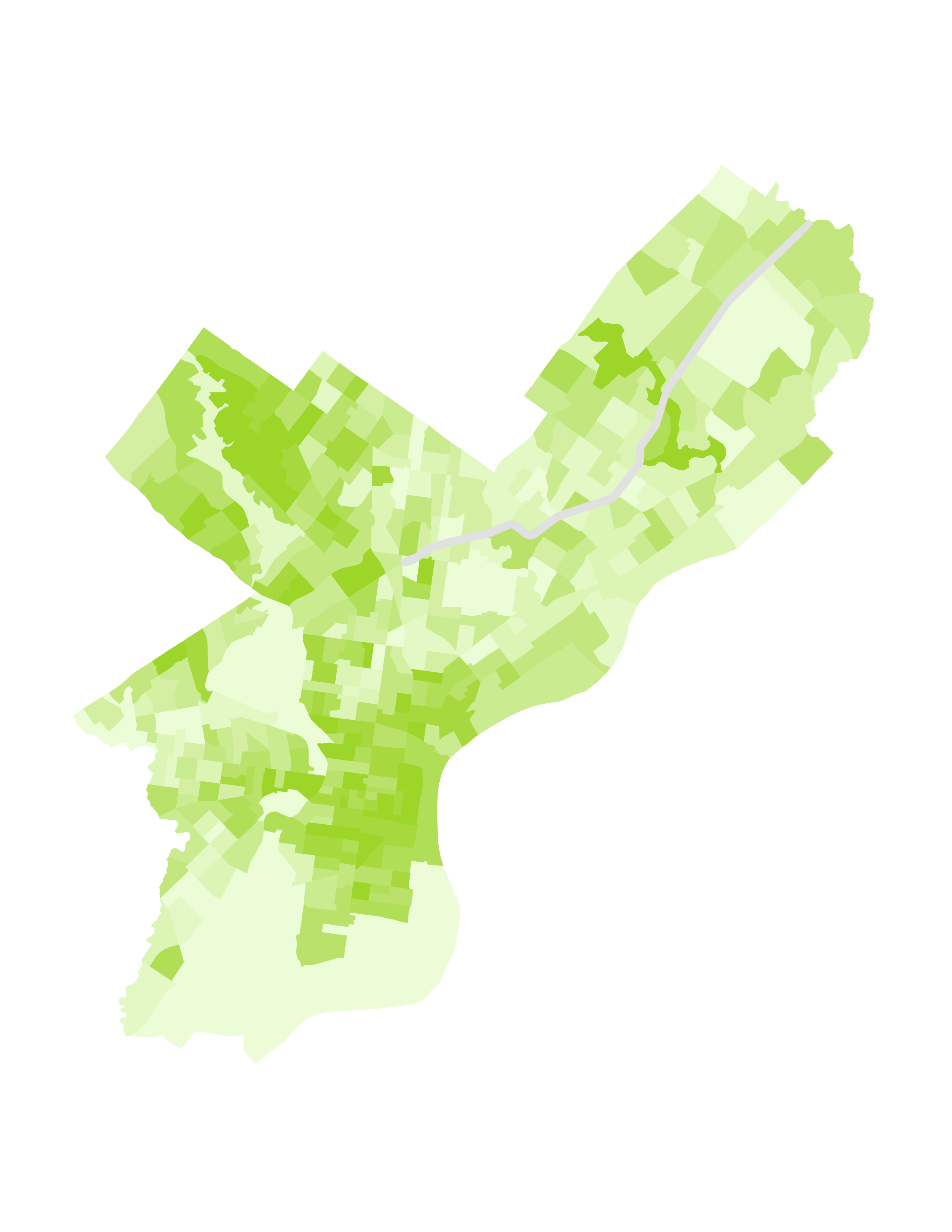
Work from home
Using research, interviews and stories shared online, four scenarios have been created that exemplify the four significant Boulevard experiences: getting groceries, walking home from school, and heading to work. For each scenario, the route that the trip will use has been mapped out in three different worlds: (1) the Boulevard right now, (2) the Boulevard as the Partially-Capped Expressway, and (3) the Neighborhood Boulevard. Through this visioning exercise, possible futures of what the Boulevard could look like are explored by imagining what types of things could be enabled by these scenarios.
Belinda gets her groceries
Belinda is retired art teacher who alone lives at 986 E Godfrey Avenue, in the Feltonville neighborhood. She was recently diagnosed with arthritis, making it difficult to take her dog, Rocky, on walks. Today, she’s heading to Walmart to get groceries and pick up her medication refill from the pharmacy.
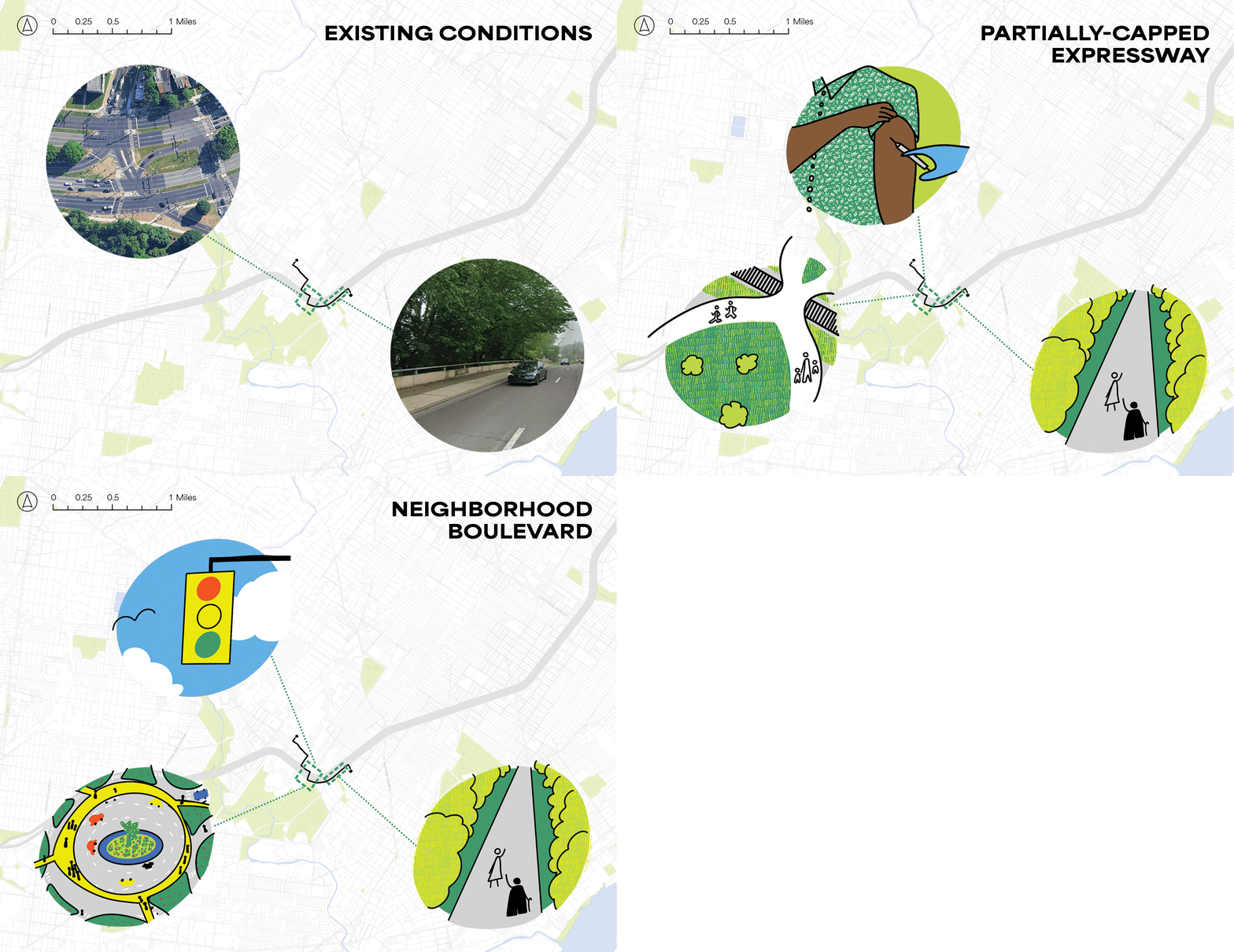
Scenario 1: Belinda gets her groceries
To get to Walmart, Belinda will first walk to the Boulevard, then walk for a few minutes along the side of the street. From there, she’ll cross the Boulevard at Adams Avenue, and then walk across the giant Home Depot parking lot to get to Walmart. The conditions of this walk are not the friendliest, particularly for someone with a health condition that affects her mobility. Little protection from traffic and long, confusing crosswalks would make the walk not only unpleasant, but actively dangerous for Belinda. These conditions could even prevent her from making this trip at all, in order to avoid the danger of this walk.
In the Partially-Capped Expressway scenario, her walk changes. She first feels protected on her walk along the Boulevard by the tall trees that hide the cars from her sightline. Then, she is able to easily cross the Boulevard with the use of the elevated pedestrian bridge. On this day, the additional space opened up by the pedestrian bridge, which connects to Tacony Creek Park, becomes a place where the City is hosting a flu shot clinic. On the way to Walmart, she is able to get her flu shot. Once there, she picks up her medications and some affordable, fresh produce, and heads home at a leisurely pace.
In the Neighborhood Boulevard scenario, the experience shifts to prioritize safety, comfort, and ease of movement. Large, busy intersections with many possible points of contact are addressed through the introduction of roundabouts, where an elevated, circular pedestrian bridge allows pedestrians to move safely above traffic. Crossing the Boulevard becomes more accessible, as longer signal timings and clear, high-visibility crosswalks make it easier and safer to reach nearby amenities. Throughout the journey, tall trees and shrubbery line the street, providing comfort to the senses and improving the overall quality of the public space.